We implement energy hybridization solutions by combining renewable generation and storage to improve operational efficiency and flexibility, increase revenue, and optimize the use of existing infrastructure.
Hybridization allows for the combination of different energy sources at a single point of connection:
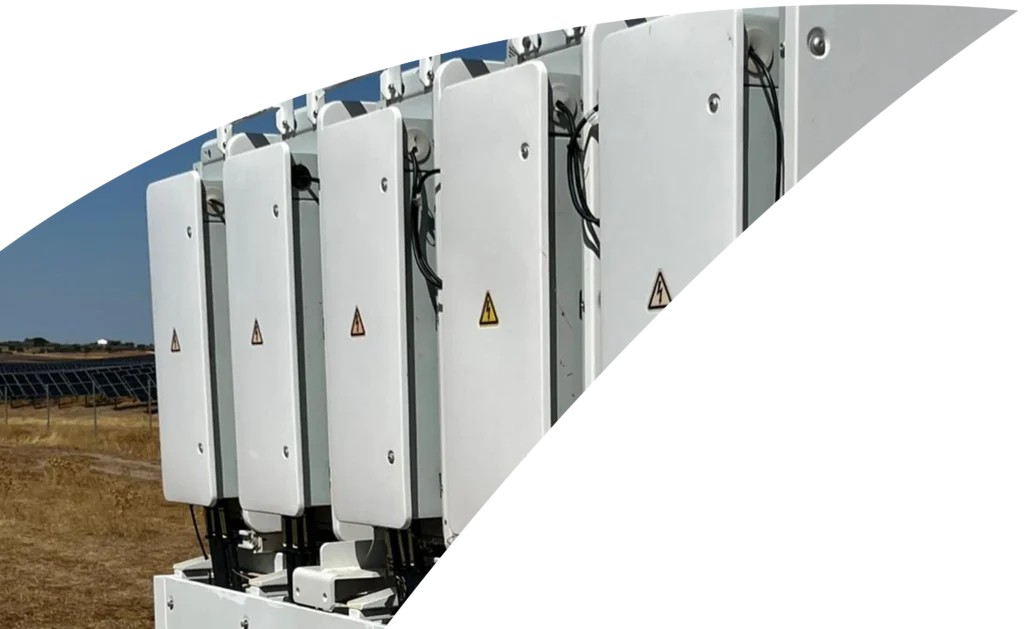
We optimize each project to maximize savings, production, and return on investment, adapting it to the client’s consumption profile.
Asset hybridization consists of combining different renewable generation sources, such as solar photovoltaic, with BESS storage systems at a single point of connection. This strategy allows for the creation of more flexible, efficient, and resilient installations, maximizing the utilization of available energy resources.
The combination of renewable generation and storage improves supply stability, optimizes the management of produced energy, and increases the technical and economic value of the asset. Additionally, it allows for increased revenue, reduced curtailment, and better utilization of existing infrastructure.
A hybridization project can integrate different configurations, such as solar photovoltaic + BESS, solar + wind, solar + BESS + grid, or even the repowering of existing plants with storage. The choice depends on the project’s energy, regulatory, and financial objectives.
It includes engineering and design, integration studies, technical and economic sizing, regulatory analysis, and financial models (ROI). The EPC phase covers the supply of batteries and PCS, LV/MV electrical integration, EMS control systems, fire protection, substation adaptation, and commissioning with FAT/SAT tests to ensure safety, efficiency, and regulatory compliance.